
OFFICINA NEWS
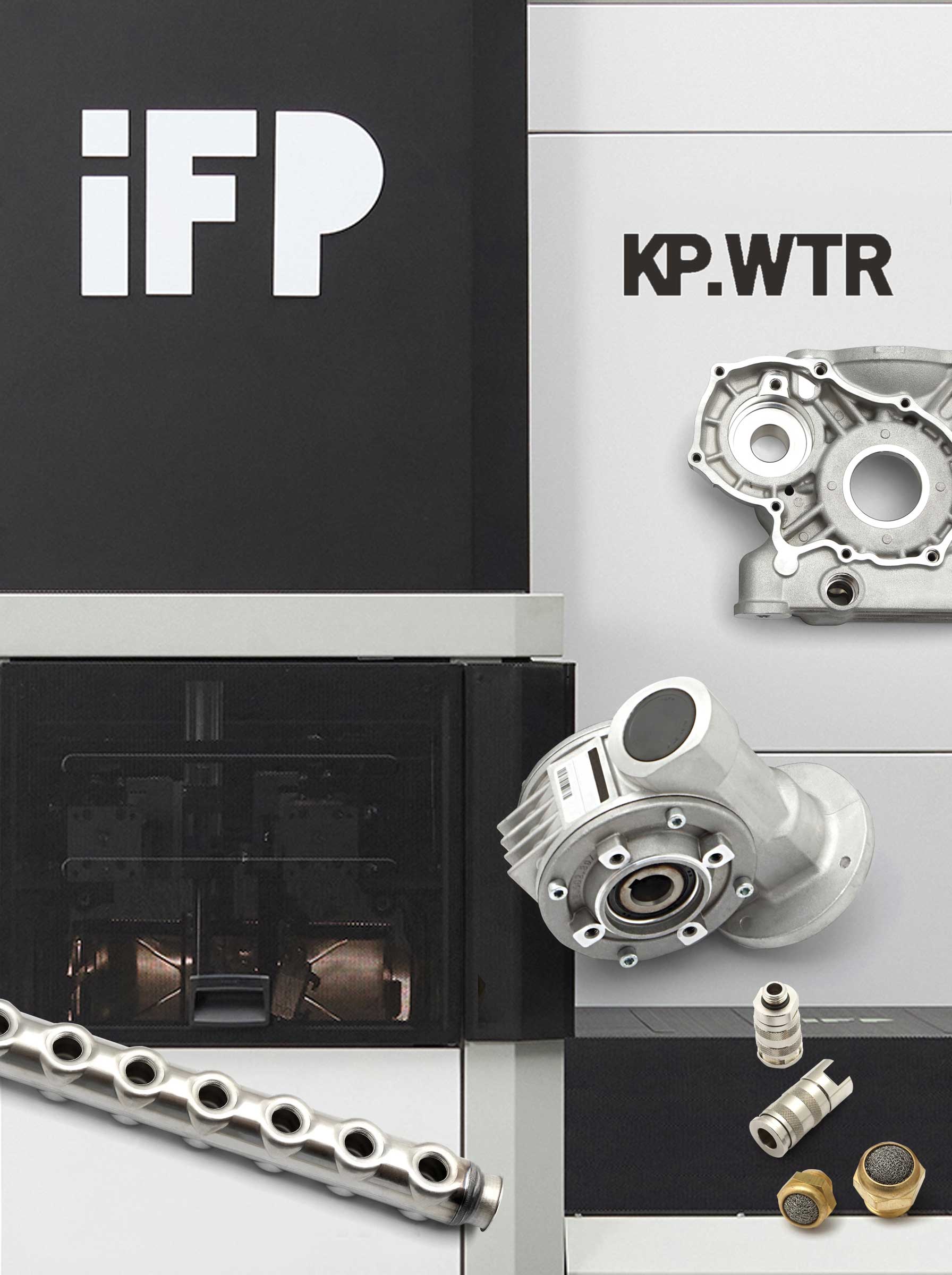
Choosing a metal parts cleaning system means weighing six factors: the cleaning technology (aqueous, solvent, vacuum or hybrid), energy and water consumption, cycle time, cleaning performance on complex geometries, fluid management and recovery, and total cost of ownership. No single criterion is enough on its own: the right choice balances them against the needs of your production process.
Anyone who works in manufacturing knows that cleaning is often seen as an “extra” step after machining. In reality, it plays a crucial part in the final quality of a component, compliance with tolerances and, increasingly, meeting the end customer’s specifications. A perfectly machined part that still contains oil, chips, polishing or lapping compounds, other contaminants or dust inside blind holes is not ready for delivery.
Why cleaning metal parts is a critical process
In precision turning, stamping, small-parts manufacturing, watchmaking and medtech, components reach the cleaning stage carrying coolant oils, chips, metal dust, polishing and lapping compounds, other contaminants and machining residues. Complex geometries, blind holes, threads and hollow surfaces make cleaning harder still: a residue invisible to the naked eye can compromise a mechanical fit, a subsequent surface treatment or the seal provided by a gasket.
The smaller the components and the tighter the tolerances, the more cleaning becomes an integral part of production rather than a minor detail.
Criteria for evaluating an industrial cleaning system
Cleaning technology: aqueous, solvent, vacuum and hybrid
The main options are aqueous cleaning, solvent cleaning (using hydrocarbons or modified alcohols) and hybrid cleaning, which combines several stages in one cycle. The choice depends on the type of contamination, the component material and the required finish.
Aqueous cleaning is suitable for straightforward contamination and for removing salts, but involves several stages (washing, rinsing and drying), generates wastewater that must be treated and does not always deliver consistent results. Solvent cleaning removes oils and greases more effectively, although the choice of solvent has a major impact on safety, consumption and environmental management. Vacuum systems can combine cleaning, thorough degreasing and drying in a single cycle at controlled pressure. This helps fluids reach hollow geometries and blind holes, reducing cycle times and consumption.
|
|
Aqueous cleaning |
Solvent cleaning |
Vacuum cleaning |
|
Typical contamination |
Straightforward contamination, salts |
Oils, greases, emulsions |
Oils, emulsions and residues in cavities and blind holes |
|
Cycle stages |
Washing, rinsing, drying |
Cleaning and drying |
Cleaning, degreasing and drying in one cycle |
|
Consumption |
Process water and detergents require replenishment |
Varies with the solvent and how it is managed |
Up to 45–50% lower than conventional systems |
|
Complex geometries |
Limited effectiveness in hidden areas |
Good; depends on the fluid and method |
High; fluid reaches cavities and internal threads |
|
Fluid management |
Wastewater requires treatment and disposal |
Must be assessed case by case |
Closed loop with filtration and distillation |
Energy and water consumption
Consumption should be assessed not only as a cost per cycle, but also in terms of overall electricity, process water and chemical use, comparing closed-loop and open-loop systems.
A system that needs repeated rinsing and regular top-ups of water or detergent has operating costs that may far exceed its purchase price over time. Closed-loop systems with fluid filtration and distillation sharply reduce both process water consumption and the amount of cleaning agent that needs to be replenished or disposed of.
Cycle time and productivity
A cleaning system’s cycle time should always be assessed against the actual production batch, rather than a single part: longer cycles with full loads can be more efficient than short cycles with a low load.
In a department where batches change frequently, a slow cleaning system can become a bottleneck even when upstream machining is very fast. Ask for actual data from cycles comparable to your production mix, rather than relying only on times stated for ideal conditions.
Cleaning performance on complex geometries
Technologies differ in their ability to clean blind holes, internal threads and deep cavities. The difference is especially apparent with small parts that have intricate geometries, such as small precision components, watch components and microtechnology parts.
Conventional spray cleaning struggles to reach hidden areas. Technologies that use vacuum, full immersion, fluid agitation and ultrasound at different frequencies provide more uniform results, even in the hardest-to-reach places.
Fluid management and recovery
A system should also be assessed on how it handles oils, emulsions and metal residues at the end of the cycle. Integrated recovery and filtration systems allow materials to be returned to the production process or sent for appropriate recycling, reducing both waste and disposal costs.
Total cost
The purchase price is only part of a machine’s true cost. Energy and water consumption, cleaning agents, maintenance, spare parts, waste disposal and downtime all need to be considered over its full service life.
Two systems with the same list price can have very different operating costs over five years. Always request an estimate of annual consumption as well as the machine’s technical specifications.
Vacuum cleaning and conventional methods: what really changes
Compared with conventional cleaning systems, vacuum technology can reduce overall consumption by up to 45–50%, thanks to the absence of repeated rinsing cycles and closed-loop fluid management.
One example is IFP Europe’s KP HMA range, which uses vacuum cleaning with modified alcohols to combine cleaning, degreasing and drying in one process. Its closed-loop operation, with fluid filtration and distillation, enables the recovery of up to 99% of waste materials (oils, emulsions and metal residues) and significantly reduces cleaning agent consumption compared with conventional aqueous systems. For companies cleaning parts with complex geometries, from precision turned parts to watchmaking and medtech components, this means shorter cycles and more consistent results without increasing the cleaning department’s environmental impact.
When the process calls for aqueous cleaning solutions, the same vacuum operating principle can be found in the KP HYBRID and KP WTR ranges.
How to decide based on your industry
The most relevant criteria vary with the production context:
- Precision turning and machining: priority goes to complex geometries and repeatable results across large batches.
- Automotive: fast cycles, high productivity and compliance with demanding technical specifications such as ISO 16232 and VDA 19.
- Small parts and components: the ability to clean blind holes and cavities, including in mixed batches.
- Watchmaking and microtechnology: maximum precision, no trace of residue and compatibility with delicate materials.
- Medtech: process traceability and regulatory compliance alongside cleaning performance.
- Stamping: management of heavy contamination and oily residues.
In every case, the final decision depends on the type of contamination, part geometry, production volumes and applicable industry requirements, rather than on any one technical parameter. See an overview of cleaning applications by industry.
Frequently asked questions
What is the difference between aqueous and solvent cleaning?
Aqueous cleaning uses water and detergents, involves several stages (including rinsing and drying) and generates wastewater that must be treated. Solvent cleaning removes oils and greases more effectively in fewer steps, but requires careful management of safety and solvent disposal.
What is vacuum cleaning, and when does it make sense?
This technology carries out cleaning, degreasing and drying in one cycle under controlled pressure. It is particularly useful for components with complex geometries or when the goal is to reduce energy and water consumption compared with conventional systems.
How much do operating costs matter compared with the machine’s price?
Over the medium term, operating costs (energy, water, cleaning agents and disposal) can greatly exceed the initial purchase price. Always compare them over a period of at least three to five years.
Can waste materials from the cleaning process be recovered?
Yes. Integrated filtration and distillation systems can separate and recover oils, emulsions and metal residues, returning them to the production process or sending them for appropriate recycling.
Is a vacuum cleaning system suitable for small batches?
Yes. Combining cleaning, degreasing and drying in a single cycle also makes it efficient for small or mixed batches, as is common with small parts and precision components.
How do IFP Europe’s vacuum cleaning ranges (KP HMA, KP HYBRID and KP WTR) differ?
All three ranges use vacuum technology but differ in the fluids they use: KP HMA operates with modified alcohols and hydrocarbons; KP HYBRID combines modified alcohols and aqueous solutions; and KP WTR uses aqueous solutions in a closed loop. The choice depends on the contamination to be removed and the department’s requirements.
Which cleaning system is best for parts with blind holes or complex geometries?
Vacuum systems with full immersion and fluid agitation, optionally assisted by ultrasound, deliver the most uniform results in blind holes, internal threads and deep cavities, where conventional spray cleaning struggles to reach every surface.
Are you choosing the right cleaning system for your production needs? IFP Europe’s technical team can help you compare technologies. Request a technical consultation or explore the full range of IFP industrial cleaning solutions.